Do English Bulldogs Have Tails? A Complete Guide (With Real Photos of Mine!)
Understanding English Bulldog tail types, the official CBKC/FCI standard, and real-life examples — including Zeus, my purebred English Bulldog with a natural long tail.

Yes — English Bulldogs do have tails. They are born with them, and depending on genetics, the tail can be straight, screwed, short, or even surprisingly long.
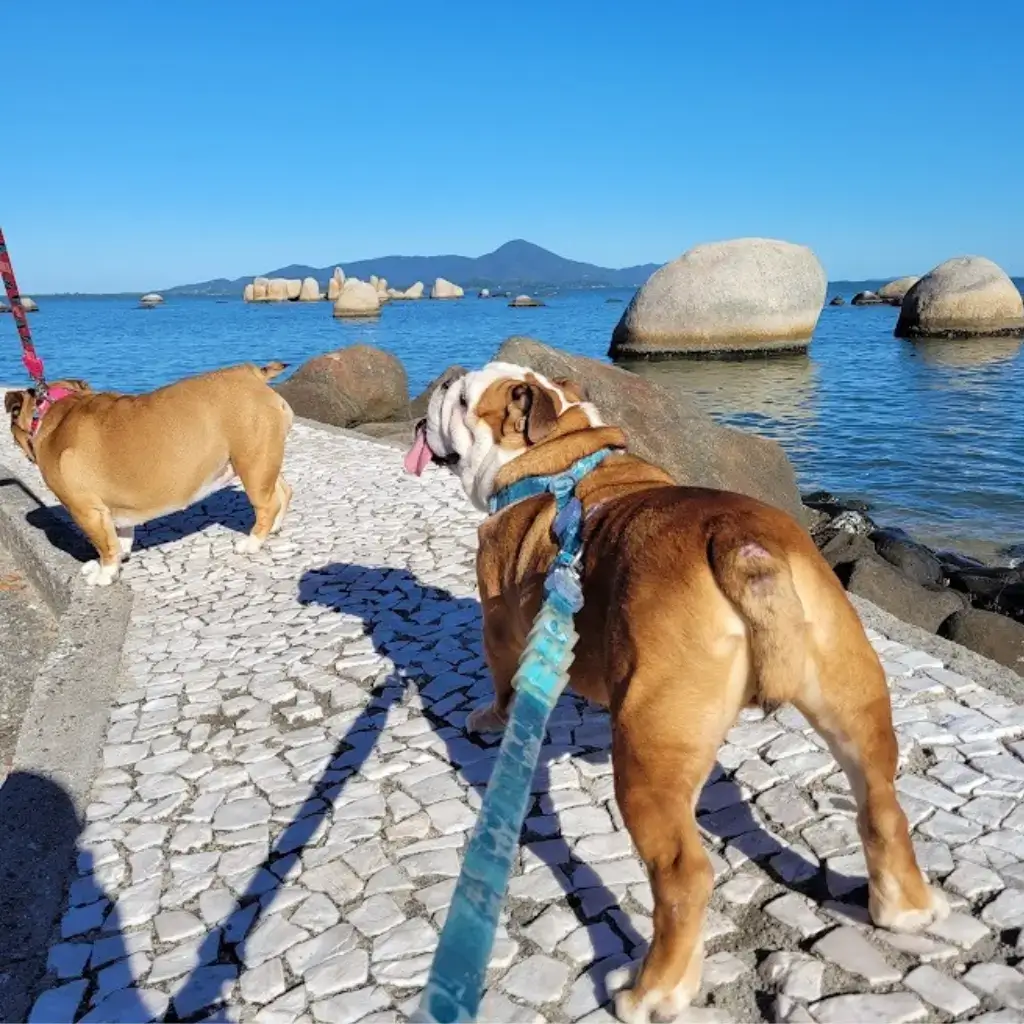
For 10 years, I owned an English Bulldog named Zeus — a purebred CKBC dog who had one of the rarest natural tail types: a long, straight, expressive tail. His tail was a conversation starter everywhere we went. People from all over the world asked about it on social media, and he became a small Internet celebrity thanks to an early start in the “influencer dog lifestyle”. If you're also an English Bulldog fan, you might enjoy our curated collection of English Bulldog products.
In this guide, you’ll learn why Bulldogs have such different tail shapes, what the official CBKC/FCI standard really says, how to identify a healthy tail, and why Zeus’s unique tail generated so much curiosity over the years.
2. What the CBKC/FCI Breed Standard Says About Bulldog Tails
According to the FCI Standard No. 149 (recognized by the CBKC), an English Bulldog’s tail must be:
- Low-set and carried down
- Thick at the base, tapering toward the tip
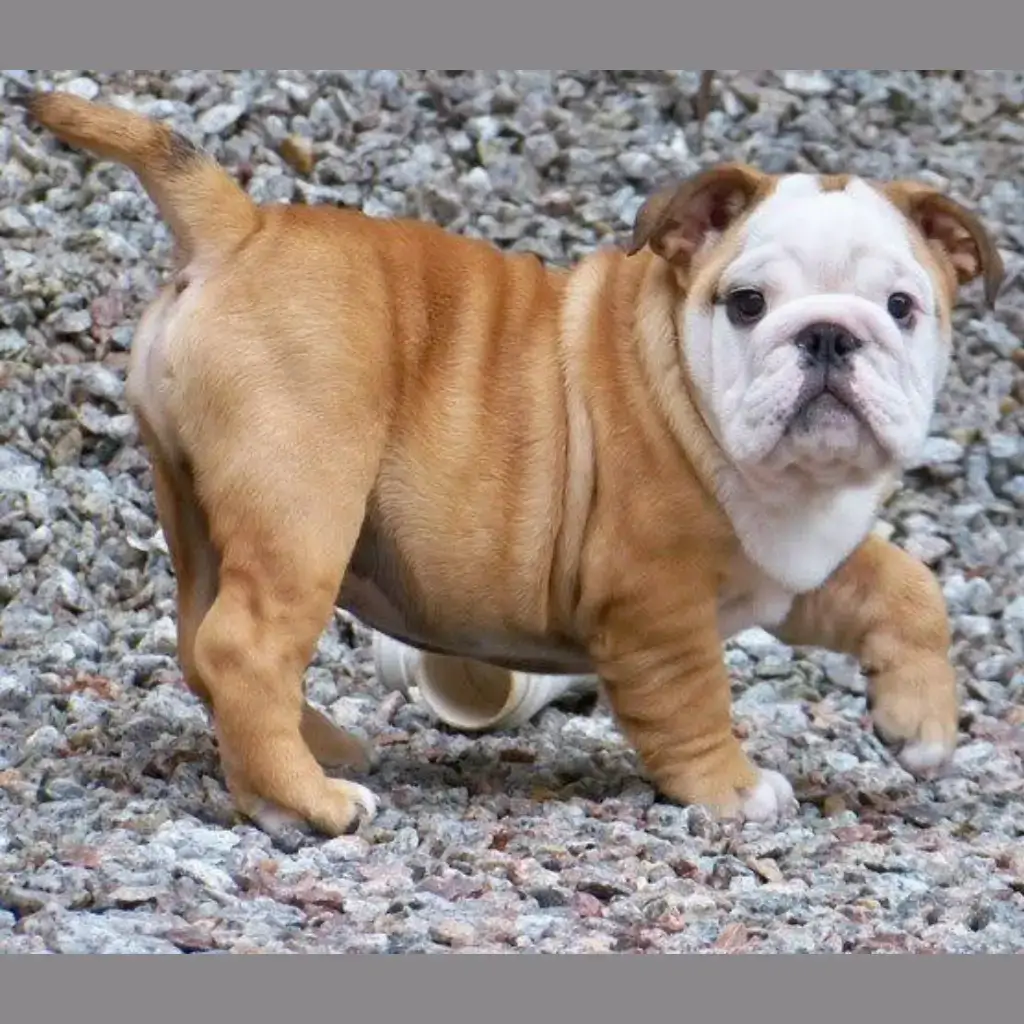
- Straight or screwed (both acceptable)
- Short to moderate in length
The standard also notes that complete absence of a tail is not desirable. Extremely tight screw tails that cause irritation are considered a fault.
3. Real Examples: Zeus and His Natural Long Tail
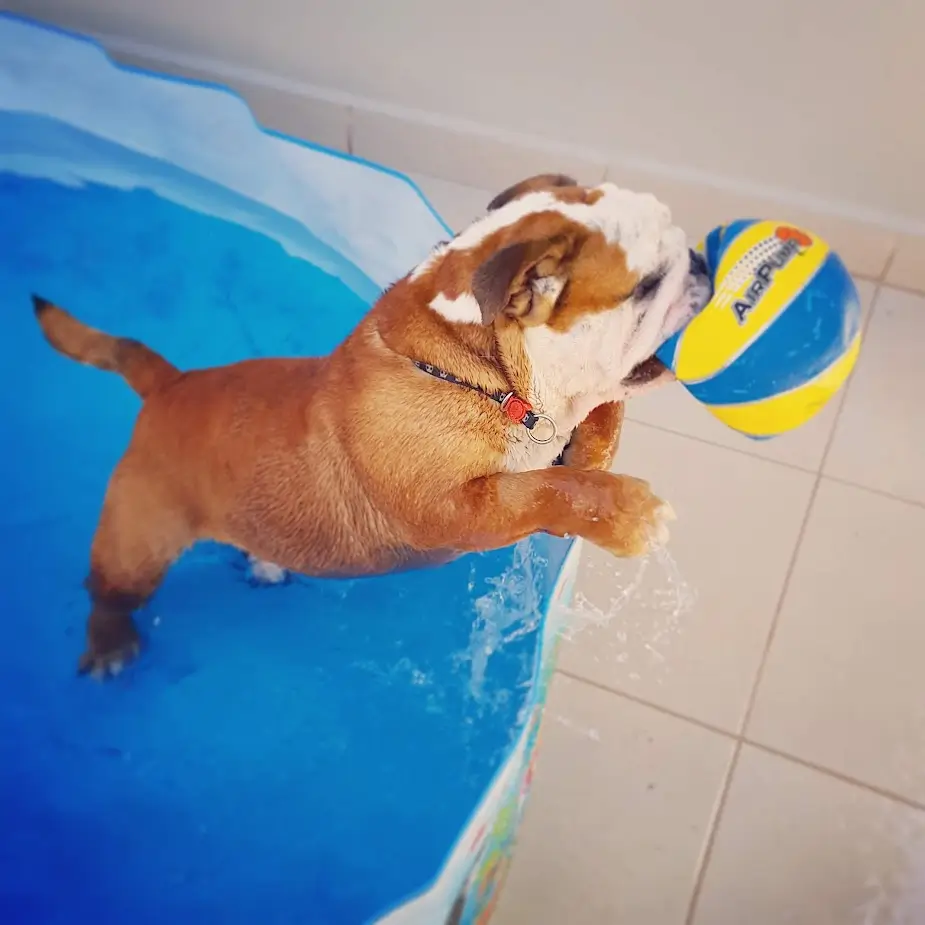
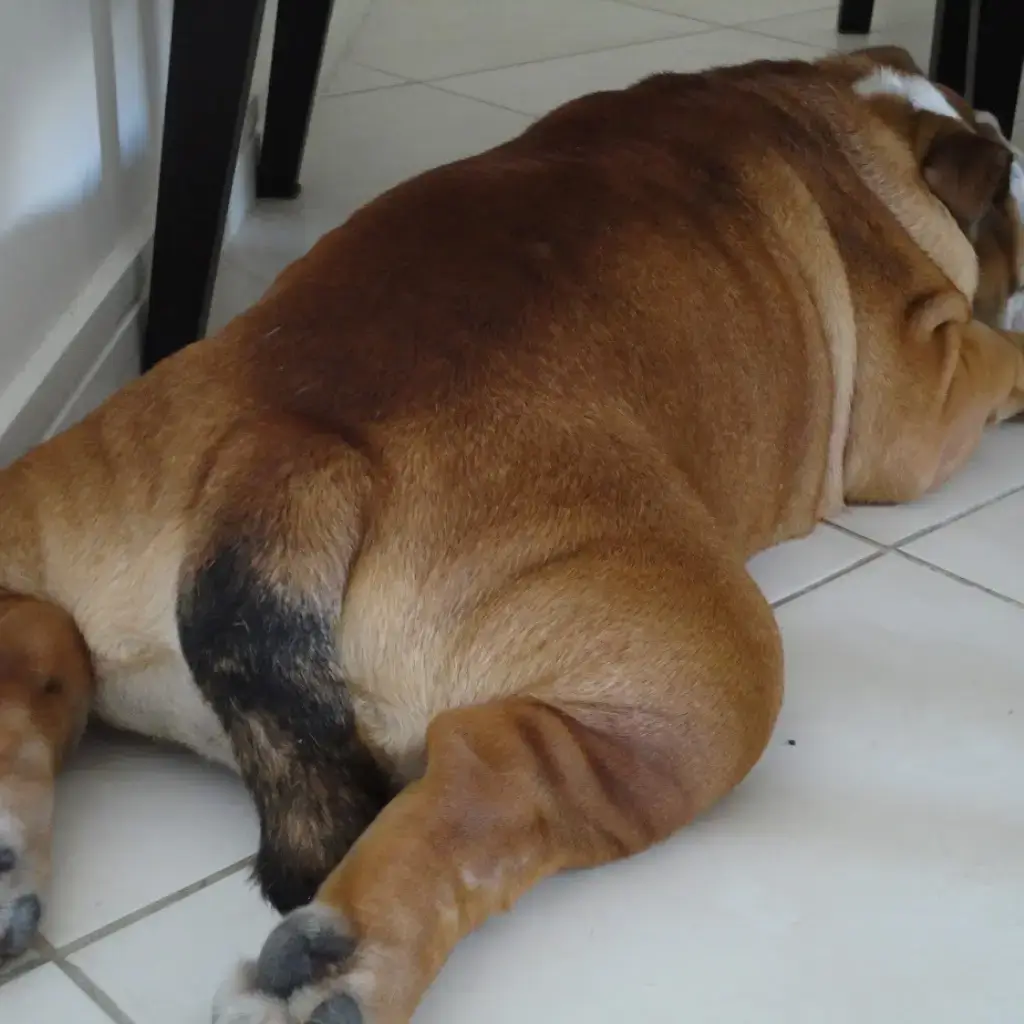
Zeus’s tail was long, straight, and expressive — something that sparked curiosity everywhere we went.
His tail made it easier to read his emotions, because unlike Bulldogs with extremely short tails, he could wag visibly and enthusiastically.
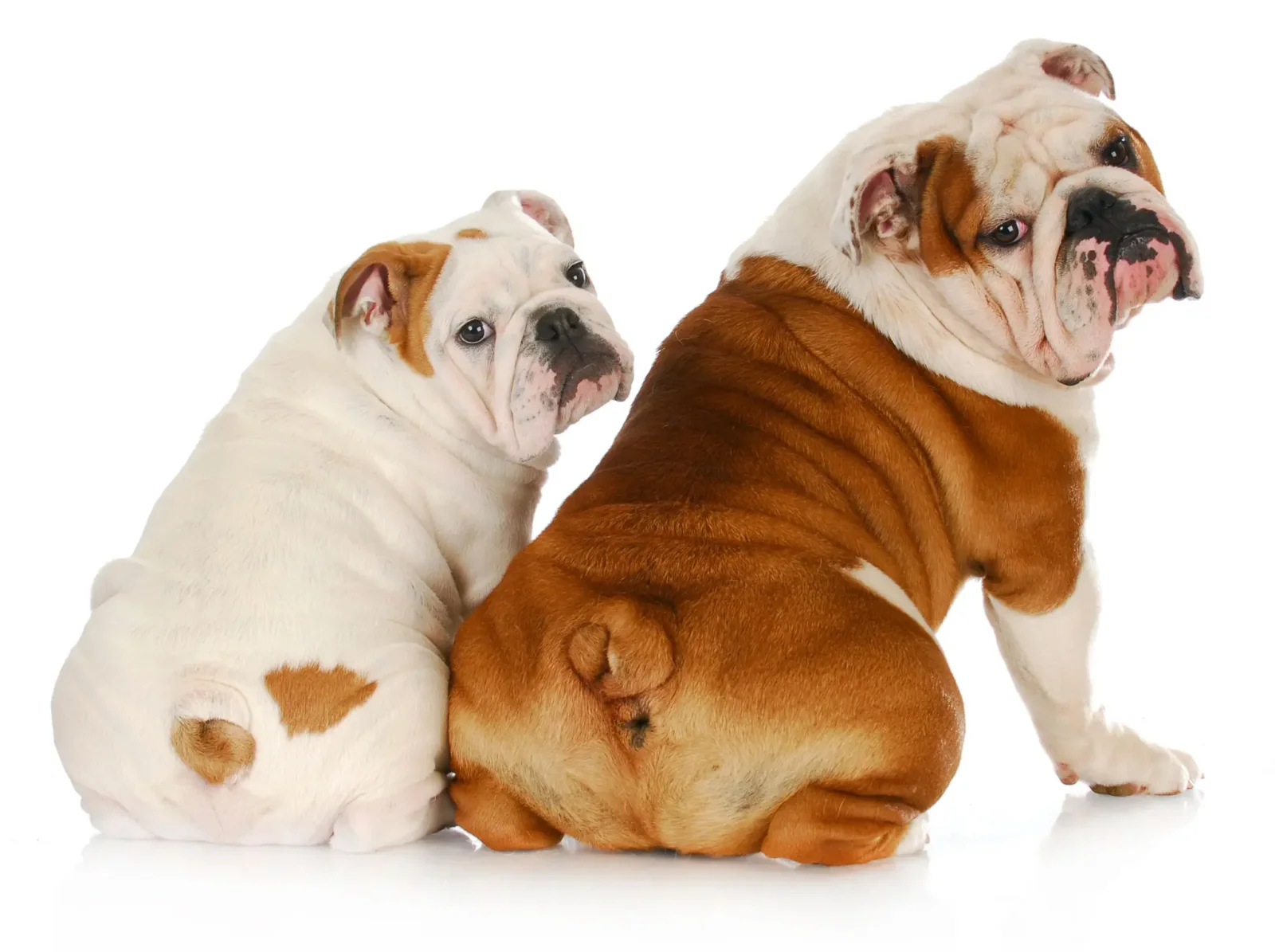
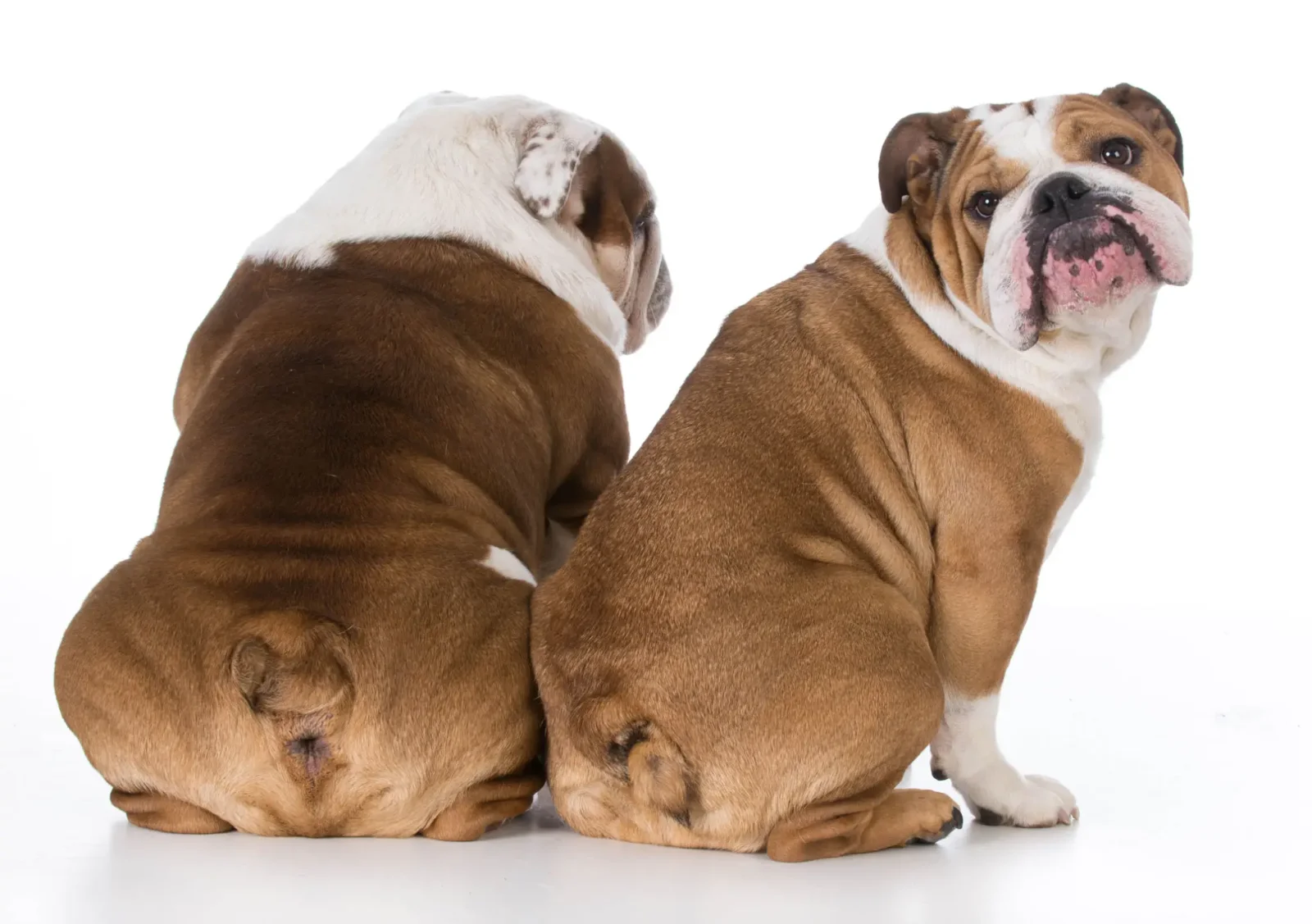
4. Why Do Some Bulldogs Look Tailless?
Bulldogs often look tailless because:
- The tail is naturally very short
- The tail is tightly screwed against the body
- The surrounding folds hide it
These are natural variations — not docking — and they align with the official standard as long as the tail does not cause irritation or interfere with hygiene.
5. Bulldog Tail Health: What Owners Should Watch For
Most Bulldogs with straight or moderately screwed tails have no issues.
But tight, compact screw tails can trap moisture and cause irritation.
Signs to watch for:
- Bad odor under the tail
- Redness or irritation
- Excessive licking
- Difficulty cleaning
Zeus’s tail type was extremely easy to maintain (almost zero) — one of the big advantages of a long, straight tail.
6. Final Thoughts
English Bulldogs do have tails — and while many are short or screwed, long tails like Zeus’s are completely natural and within the breed standard. These variations make Bulldogs one of the most visually unique and charming breeds in the world. If you love learning about the breed’s unique personality, you may enjoy reading Things Only English Bulldog Owners Understand, and if you're working on improving your Bulldog’s social confidence, our guide Making Dog Park Friends can be extremely helpful.
Zeus lived a long, happy healthy life, his story helps illustrate how diverse Bulldog are — and why each one is a true friend.