


French Bulldog History: Origins, Evolution & Global Popularity
The French Bulldog is one of the most recognizable and popular dog breeds in the world today, but its story did not begin in luxury or fashion. Originally developed from small bulldogs brought to France by English workers, the French Bulldog evolved from a working-class companion into an international icon of urban life.
In this article, we explore the complete history of the French Bulldog, tracing its origins, evolution, and rise in global popularity — from the streets of Europe to homes around the world.
Origins of the French Bulldog
The story of the French Bulldog begins in England, where Bulldogs were originally bred for blood sports such as bull-baiting. When these practices were banned in the early 19th century, breeders shifted their focus toward creating smaller, calmer dogs better suited to companionship rather than combat.
During the Industrial Revolution, many English workers and artisans migrated to France in search of better economic opportunities. They brought their small Bulldogs with them, and these dogs quickly gained popularity among local communities. In France, these early Bulldogs were likely crossed with other breeds such as terriers and pugs, gradually shaping the distinct French Bulldog we recognize today.
Development and Popularity in France
Adapting and Shaping the Breed
As English artisans settled in France with their small Bulldogs, the breed adapted rapidly to urban life. Parisian living favored compact, agile dogs, and it was during this period that the French Bulldog began to diverge clearly from its English counterpart. Through selective breeding — often involving terriers and pugs — French breeders emphasized traits that would define the breed.
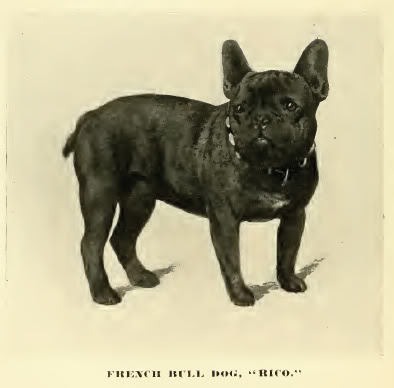
These changes resulted in a more compact body, a distinctive facial expression, and the now-iconic upright “bat ears.” Together, these features became the hallmark characteristics of the French Bulldog.
From Working-Class Mascot to Bourgeois Favorite
The earliest admirers of the French Bulldog in France were seamstresses and factory workers in Paris. Beyond companionship, these dogs served a practical purpose as effective rat hunters, helping keep workshops and homes free of pests. Their small size, intelligence, and affectionate temperament made them perfectly suited for dense urban environments.
As the breed became established, it soon attracted the attention of the Parisian bourgeoisie. French Bulldogs quickly transitioned from working-class companions to fashionable status symbols. Their ability to adapt seamlessly to both modest homes and elegant salons played a major role in their rising popularity.
Adopted by High Society and Artists
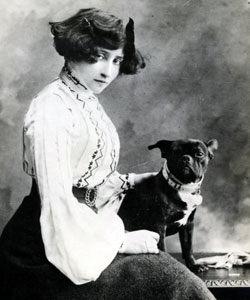
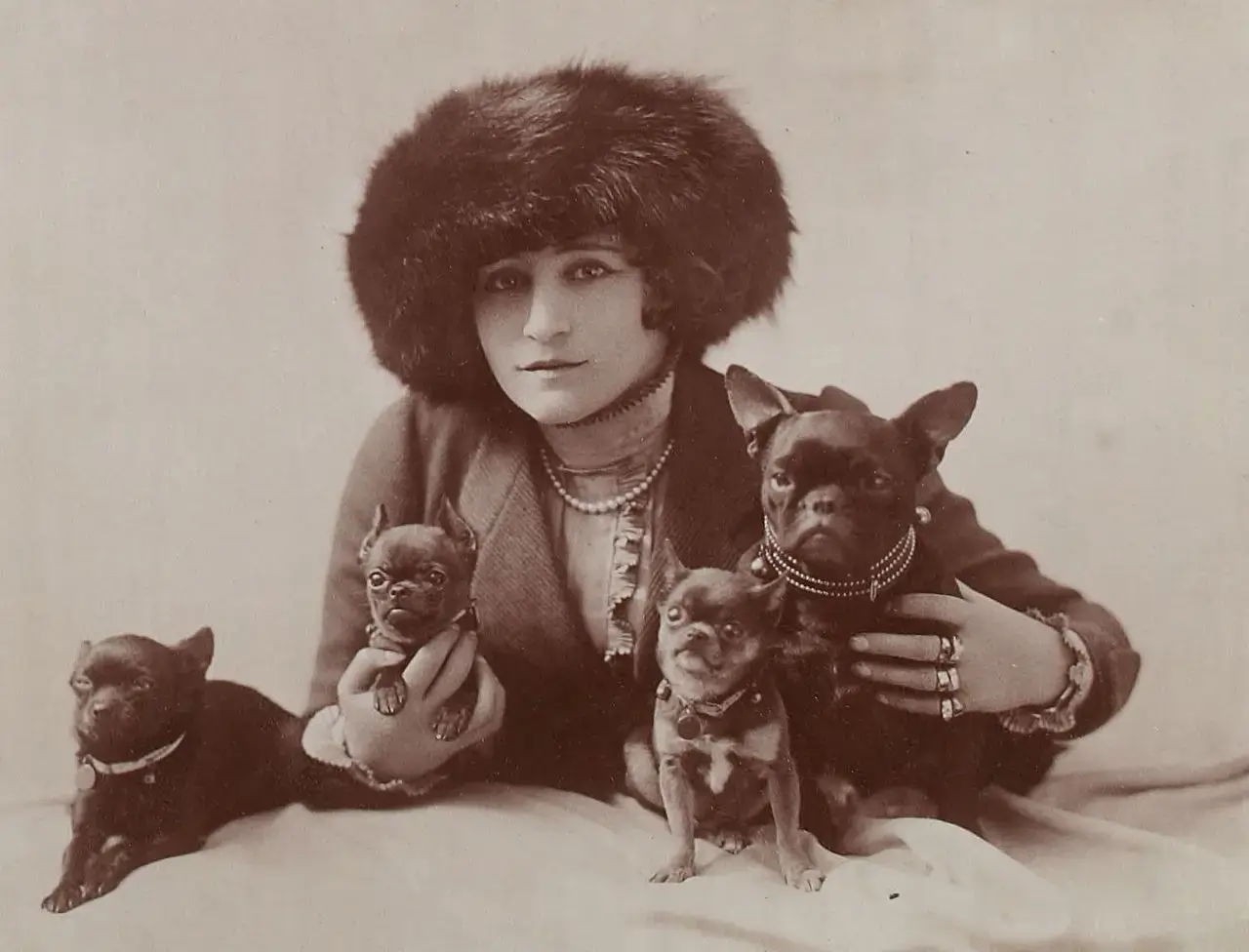
The French Bulldog’s appeal extended beyond workers and the middle class, capturing the interest of artists and high society. Renowned figures such as Henri de Toulouse-Lautrec and the writer and performer Colette were known admirers of the breed. French Bulldogs frequently appeared in paintings, photographs, and literature, further enhancing their cultural presence.
By the late 19th and early 20th centuries, the French Bulldog had gained formal recognition as a distinct breed. The breed began appearing regularly at dog shows, and official breed standards were established, defining hallmark traits such as bat ears, compact size, and a sturdy build.
From Paris to the Rest of the World
Importation and International Influence
The popularity of the French Bulldog soon extended beyond France. By the late 19th and early 20th centuries, French Bulldogs were being exported to the United States, where they quickly gained recognition as desirable companion dogs. This period marked a decisive moment in the global expansion of the French Bulldog, transforming the breed from a European urban companion into an international favorite.
In 1898, the American Kennel Club (AKC) officially recognized the French Bulldog as a distinct breed, solidifying its status among dog enthusiasts in the United States. As French Bulldogs began appearing at major international dog shows, their visibility increased significantly, helping define the breed’s image worldwide.
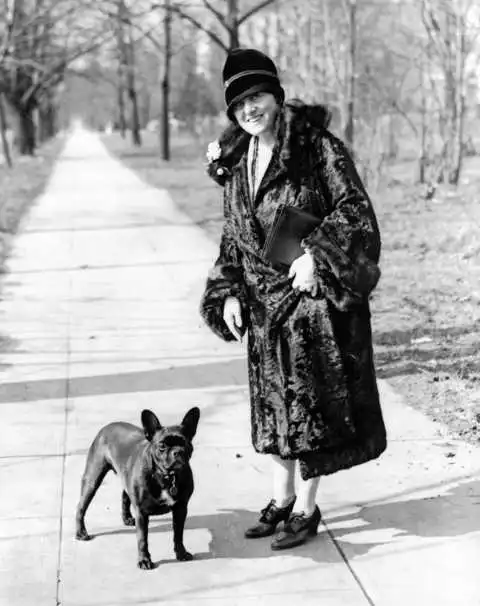
During this era, French Bulldogs were often presented as elegant urban dogs, closely associated with luxury, refinement, and cosmopolitan life. This reputation would shape not only their popularity, but also how the breed was perceived in different cultures around the world.
The French Bulldog in the Modern World
Today, the French Bulldog is consistently ranked among the most popular dog breeds in the world. Loved by families, single owners, and public figures alike, French Bulldogs are a constant presence on social media, in films, television, and advertising. Their distinctive appearance and affectionate personality have made them global icons of modern companion dogs.
For those interested in learning more about the breed beyond its history, our complete French Bulldog guide covering history, care, and personality explores what makes these dogs so unique, while our detailed French Bulldog price guide for 2026 explains the costs and responsibilities involved in owning one.
French Bulldog Sweatshirt – Hypnotic
$34,95 – $39,95Price range: $34,95 through $39,95French Bulldog Sweatshirt – The Bulldogs
$34,95 – $39,95Price range: $34,95 through $39,95French Bulldog Tank Top – Beach Day
$23,95 – $24,95Price range: $23,95 through $24,95French Bulldog Tank Top – Dogfather
$23,95 – $24,95Price range: $23,95 through $24,95French Bulldog Tank Top – Hypnotic
$23,95 – $24,95Price range: $23,95 through $24,95Conclusion
The history of the French Bulldog is a fascinating journey that spans continents and social classes — from the factories of England to the cafés and salons of Paris, and ultimately to homes around the world. Over time, the breed’s adaptability, charm, and affectionate nature have shaped its identity as one of the most beloved companion dogs in modern history.
For French Bulldog enthusiasts, understanding this background deepens the connection with the breed. A Frenchie is not simply a pet, but a true family member — full of personality, curiosity, and a unique presence that brings both joy and character into everyday life.
For those who enjoy expressing their passion for the breed beyond daily walks and cuddles, French Bulldogs have also inspired a distinctive lifestyle. From French Bulldog T-shirts to curated bulldog-themed gifts, the French Bulldog continues to be celebrated not only as a dog, but as a cultural icon.
French Bulldog History FAQ
What is the history of French Bulldogs?
French Bulldogs trace their roots to small bulldogs from England that were brought to France in the 19th century. In France, selective breeding shaped the compact companion dog known today, and the breed later spread internationally through dog shows and rising demand abroad.
Where do French Bulldogs come from?
French Bulldogs originated from small bulldogs developed in England, but the modern breed was refined in France—especially in urban areas like Paris—where they became popular companion dogs.
What is the history of a French Bulldog?
The French Bulldog developed as a smaller, city-friendly bulldog type during the 1800s. The breed’s defining traits were refined in France, and it later gained global popularity as a companion dog.
What is the history of the French Bulldog?
The French Bulldog’s history spans England and France: small bulldogs were brought from England to France in the 19th century, where breeding focused on a compact companion with distinctive bat ears. The breed gained wider recognition by the late 1800s and expanded globally in the early 1900s.
When did the French Bulldog become popular in the United States?
French Bulldogs became popular in the United States in the late 1800s and early 1900s through imports from Europe and exposure at dog shows. The American Kennel Club (AKC) recognized the breed in 1898, supporting broader recognition in the U.S.