




The Frenchie dog, also known as the French Bulldog, is one of the most popular dog breeds in the world — and for good reason. Compact, charismatic, and deeply attached to their owners, Frenchies have earned a place in apartments, family homes, and the hearts of people with very different lifestyles.
Despite their distinctive appearance, with large upright ears and a short snout, the Frenchie dog is much more than looks alone. This breed is known for its strong personality, affectionate nature, and specific care needs, especially when it comes to health, nutrition, and daily routine.
In this complete Frenchie dog guide, you’ll find clear and practical information about the breed’s origin, physical characteristics, temperament, interaction with children and other pets, and the essential care required to ensure long-term well-being and quality of life.
Whether you’re considering getting a Frenchie dog, already live with one, or simply want to better understand the breed, this guide was created to answer the most common questions and help you make informed and responsible decisions.
Table of Contents
What Is a Frenchie Dog?
The Frenchie dog, also known as the French Bulldog, is a small companion breed best known for its compact body, short snout, and large upright ears. Despite its small size, the Frenchie is a sturdy, muscular dog with a strong and distinctive personality.
Originally developed as a companion dog, the Frenchie dog is especially valued for the close bond it forms with its owners. This breed is highly people-oriented and enjoys staying nearby, following the household routine, and actively participating in family life — which helps explain its popularity in urban settings and apartment living.
Beyond its unmistakable appearance, the Frenchie dog is widely recognized for its balanced temperament. Frenchies are typically affectionate, sociable, and playful, but they can also show moments of independence and stubbornness. This mix of traits makes the breed charismatic, expressive, and deeply connected to its owners.
Because it is a brachycephalic breed — meaning it has a short, flattened muzzle — the Frenchie dog has specific care needs related to breathing, weight management, and heat sensitivity. Understanding what a Frenchie dog truly is goes far beyond looks; it involves knowing the breed’s behavior, limitations, and daily care requirements to ensure a healthy and comfortable life.
Frenchie Dog Origin and History
The history of the Frenchie dog, also known as the French Bulldog, is both fascinating and often misunderstood. Despite the breed’s strong association with France, Frenchies did not originally come from France. Their roots trace back to England, where smaller bulldogs were bred as companion dogs by working-class families during the Industrial Revolution.
When these workers migrated to France—especially to urban areas—the small bulldogs quickly gained popularity among artisans, shopkeepers, and later artists and members of Parisian high society. During this period, the Frenchie dog began to develop its own distinct traits, separating it from the English Bulldog. These included a more compact body and the now-iconic large, upright “bat ears.”
By the late 19th century, Frenchies had become a symbol of companionship, style, and city living. The breed gained official recognition and gradually spread to other countries, eventually becoming one of the most popular companion dog breeds in the world. Today, Frenchies are especially loved by people living in apartments who are looking for an affectionate, adaptable, and people-oriented dog.
For a deeper look at where Frenchies come from and how the breed evolved over time, you can read our complete guide to French Bulldog history.


What Does a Frenchie Dog Look Like?
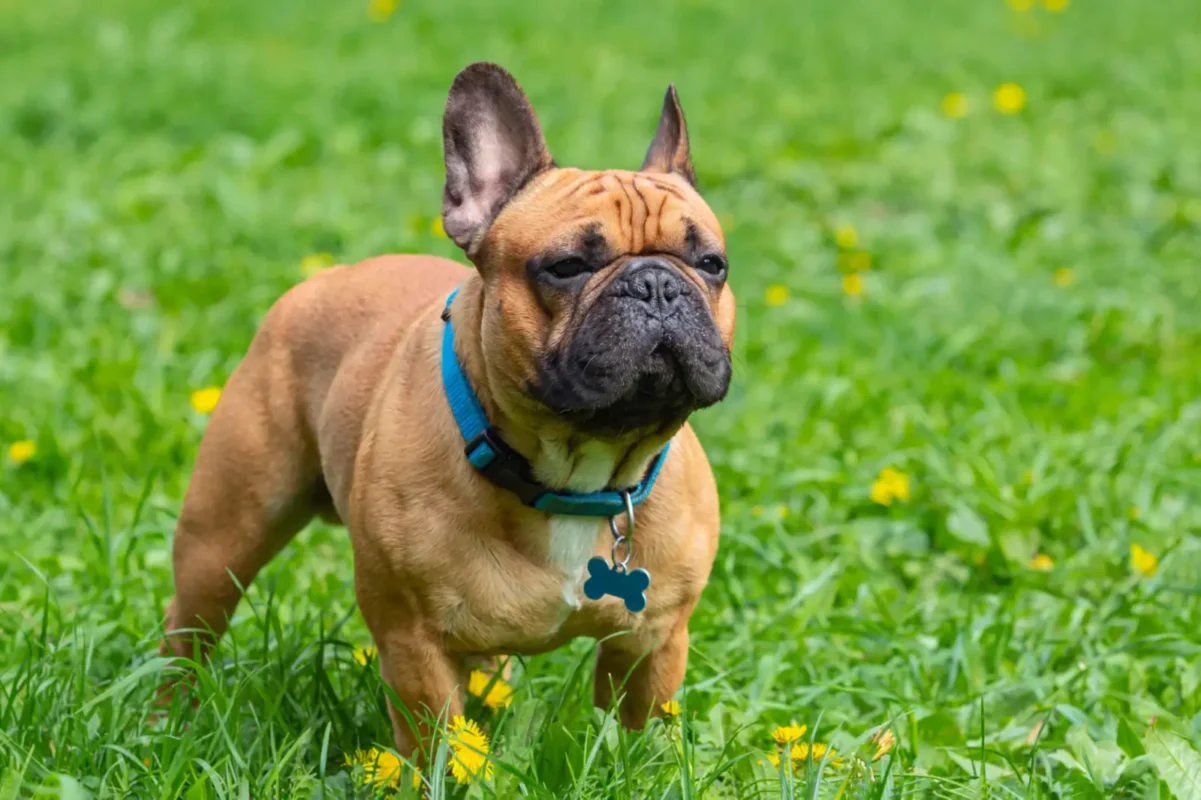
The Frenchie dog, also known as the French Bulldog, is easily recognized by its unique and distinctive appearance. Although considered a small dog breed, Frenchies have a compact, muscular, and well-balanced body that conveys strength and sturdiness in a smaller frame.
These physical traits are not just about looks — they directly affect the Frenchie dog’s daily routine, care needs, and some natural limitations of the breed. Understanding what a Frenchie looks like also helps owners better understand how the dog moves, breathes, and behaves.
Size, height, and weight
Frenchies are classified as small-sized dogs, which makes them well suited for indoor living and apartments. On average, a Frenchie dog stands between 11 and 13 inches (28 to 33 cm) tall at the shoulder.
Weight usually ranges from 18 to 28 pounds (8 to 14 kg), depending on genetics, sex, and activity level. Despite their small size, Frenchies are relatively heavy for their height due to strong muscles and solid bone structure.
Keeping a Frenchie at a healthy weight is essential, as excess weight can worsen common breathing and joint issues associated with the breed.
Coat, colors, and overall appearance
The Frenchie dog has a short, smooth, and low-maintenance coat. The hair lies close to the body, making grooming simple and reducing the need for frequent brushing.
Common Frenchie colors include fawn, brindle, black, white, and various color combinations. Regardless of coat color, Frenchies tend to have sensitive skin, which requires attention to hygiene and diet to prevent irritation and allergies.
Overall, the breed shows a balanced mix of strength and compactness, with a solid body supported by short, sturdy legs.
Ears, muzzle, and body structure
One of the most recognizable Frenchie features is its large, upright “bat ears”, which give the breed its alert and expressive appearance.
The short, flat muzzle places the Frenchie dog in the brachycephalic breed category. This facial structure affects breathing and makes Frenchies more sensitive to heat and intense physical activity.
Their overall body structure is compact and muscular, with a broad chest and short neck. While this build makes Frenchies sturdy and charming, it also means they require specific care to stay comfortable, healthy, and active.


Frenchie Dog Temperament and Personality
The personality of the Frenchie dog is one of the main reasons this breed is so popular worldwide. Frenchies are highly companion-oriented dogs that form strong emotional bonds with their owners and enjoy staying close, often following the household’s daily routine.
Despite their small size, Frenchies have a very distinctive temperament. They combine affection, humor, and a touch of independence, which makes each Frenchie expressive, unique, and full of personality.
Are Frenchies affectionate?
Yes, Frenchies are well known for being extremely affectionate and people-oriented dogs. They enjoy physical contact, often seek closeness, and prefer to stay in the same room as their family, even when they are not actively interacting.
This strong attachment makes the Frenchie dog an excellent choice for people looking for a true companion rather than an independent breed. However, it also means that Frenchies may develop separation-related anxiety if left alone for long periods.
Are Frenchies stubborn?
Frenchies can show a certain level of stubbornness, especially when they do not see an immediate reward for following commands. This behavior does not reflect a lack of intelligence, but rather an independent and observant personality.
Training based on positive reinforcement, using treats and motivation, tends to work far better than strict or forceful methods. Patience and consistency are essential when training a Frenchie dog.
Are Frenchies playful?
Although they are not a high-energy breed, Frenchies are playful, fun, and entertaining. They enjoy interactive moments, simple toys, and short play sessions throughout the day.
These activities help maintain the Frenchie dog’s emotional balance, as long as physical limits are respected and the play does not involve excessive effort.
Frenchie dog intelligence and trainability
The Frenchie dog is intelligent, but its trainability is more closely linked to motivation than to automatic obedience. Frenchies learn commands, routines, and habits easily when training is consistent, positive, and rewarding.
Early socialization and regular mental stimulation help develop a well-balanced temperament, making Frenchies a great choice for both first-time dog owners and more experienced guardians.


Are Frenchies Good Apartment Dogs?
In everyday life, the Frenchie dog is known for being highly adaptable, sociable, and deeply connected to the household routine. This breed tends to stay close to its owners and feels most comfortable when it is part of daily activities.
Because of its compact size and calm indoor behavior, many people wonder if Frenchies are a good fit for apartment living — and in most cases, the answer is yes.
Do Frenchies do well in apartments?
Yes, Frenchies are widely considered one of the best dog breeds for apartment living. Their small size, moderate energy level, and relaxed temperament allow them to adapt very well to smaller indoor spaces.
That said, apartment living does not mean a lack of stimulation. Short walks, light play sessions, and daily interaction are essential for keeping a Frenchie dog mentally and emotionally balanced.
Can a Frenchie dog be left alone?
Frenchies can be left alone for short periods, but they do not tolerate frequent or extended absences very well. As a highly people-oriented breed, Frenchie dogs can develop separation-related anxiety when left alone for too long.
Maintaining a consistent routine, providing interactive toys, and avoiding sudden schedule changes can help reduce stress when the dog needs to be alone.
Are Frenchies good with kids?
In general, Frenchies are affectionate, gentle, and patient with children, especially when they are properly socialized from a young age. They often enjoy being included in family activities and tend to form strong bonds with kids.
As with any dog breed, adult supervision is important, and children should be taught how to respect the dog’s space and boundaries.
Do Frenchies get along with other dogs and pets?
Most Frenchies get along well with other dogs, particularly when socialized early. They are typically friendly and curious, although some individuals may show mild territorial behavior.
Frenchie dogs can also live peacefully with other pets, including cats, as long as introductions are gradual and done in a calm, respectful way.

Exercise and Walks for the French Bulldog
The French Bulldog is not a high-energy breed, but that does not mean it can live without exercise. Proper physical activity is essential for maintaining a healthy weight, supporting joint health, and preserving the dog’s emotional balance.
The key is to provide moderate exercise while respecting the breed’s physical limitations, especially since the French Bulldog is a brachycephalic dog.
Can a French Bulldog walk every day?
Yes, French Bulldogs can go for walks every day, as long as the walks are short and done at appropriate times. Light walks help maintain physical conditioning and prevent excessive weight gain.
It is best to avoid long or intense walks, especially on hot days. Early mornings and late afternoons are the safest times to walk a French Bulldog.
How much exercise does a French Bulldog need?
In general, a French Bulldog needs about 20 to 40 minutes of physical activity per day, divided into short sessions. This may include light walks, indoor playtime, and interactive moments with the owner.
Excessive exercise can lead to extreme fatigue, breathing difficulties, and discomfort. Observing the dog’s behavior during activity is essential to ensure safety and well-being.
Exercise safety and precautions
Because they are sensitive to heat and intense physical effort, French Bulldogs require special attention during exercise. Always provide fresh water, avoid very hot surfaces, and stop the activity at the first signs of excessive fatigue.
Heavy panting, difficulty moving, or a sudden lack of interest are clear signs that exercise should be stopped immediately.

Common Frenchie Dog Health Problems
The health of the Frenchie dog requires special attention due to the breed’s physical structure. While Frenchies are generally resilient in everyday life, they are naturally prone to certain health problems that can often be managed or reduced with proper care.
Understanding these common health concerns is essential to ensure long-term comfort, quality of life, and overall well-being.
Are Frenchies brachycephalic?
Yes. Frenchies are a brachycephalic breed, meaning they have a short, flattened muzzle and narrower airways. This anatomical structure directly affects breathing and makes them more sensitive to heat and intense physical activity.
Because of this, it is important to avoid excessive exercise, very hot environments, and stressful situations that may compromise breathing.
Breathing and respiratory problems
Breathing issues are among the most common Frenchie dog health problems. Snoring, noisy breathing, and easy fatigue are typical, especially in warm weather or after physical exertion.
Maintaining a healthy weight and respecting the dog’s physical limits are key factors in reducing respiratory stress.
Skin problems and allergies
Frenchies have sensitive skin and may develop allergies, irritation, and dermatitis. Skin folds, in particular, require regular cleaning to prevent moisture buildup and bacterial growth.
A proper diet, good hygiene, and routine veterinary checkups help prevent most skin-related issues.
Joint and mobility issues
Because of their compact and muscular body structure, Frenchies may experience joint and mobility problems, especially when overweight. Knees, hips, and the spine deserve ongoing attention throughout the dog’s life.
Avoiding excess weight, frequent stair use, and high-impact activities plays an important role in maintaining long-term joint health.
Frenchie dog lifespan
On average, a Frenchie dog lives between 10 and 12 years. Lifespan can vary depending on genetics, health care, nutrition, and overall lifestyle.
With regular veterinary care, proper weight management, and a balanced daily routine, many Frenchies live long, comfortable, and healthy lives.


Frenchie Dog Diet and Weight Control
Nutrition plays a direct role in a Frenchie dog’s health, energy levels, and overall lifespan. Because Frenchies have a moderate metabolism and a natural tendency to gain weight, proper dietary control is one of the most important aspects of daily care.
A balanced diet helps reduce the risk of breathing issues, joint strain, and skin problems, while also contributing to a better quality of life.
What is the ideal diet for a Frenchie dog?
Frenchies should be fed a high-quality diet appropriate for their age, size, and activity level. Well-balanced dog foods formulated for small breeds usually meet the nutritional needs of a Frenchie dog.
In some cases, veterinarians may recommend specialized diets, especially for Frenchies with food allergies or digestive sensitivities.
Weight management and obesity risks
Excess weight is one of the most common issues affecting Frenchies. Obesity can worsen breathing problems, place extra stress on the joints, and significantly reduce a Frenchie dog’s energy and mobility.
Controlling portion sizes, limiting treats, and maintaining a basic but consistent exercise routine are essential steps to keep Frenchies at a healthy weight.
Treats and inappropriate foods
Treats should be given in moderation and preferably used as positive reinforcement during training. Foods that are unsuitable for dogs can cause digestive problems and, in some cases, toxicity.
Avoiding table scraps, fatty foods, and heavily seasoned items is essential for maintaining a Frenchie dog’s long-term health.
Frenchie Dog Grooming and Hygiene
Proper hygiene and grooming are essential for maintaining a Frenchie dog’s skin health, preventing infections, and ensuring daily comfort. Although Frenchies have a short, low-maintenance coat, the breed has specific characteristics that require regular attention.
A simple but consistent grooming routine is usually enough to prevent most common hygiene-related issues.
Skin folds care
The skin folds of a Frenchie dog — especially around the face and muzzle — can trap moisture, dirt, and debris. If not cleaned properly, these areas may develop irritation, unpleasant odors, and infections.
Cleaning should be done with a soft cloth or gauze lightly dampened with water, followed by careful drying. Frequency depends on the individual dog, but for most Frenchies, cleaning the folds two to three times per week is sufficient.
Bathing and coat care
Frenchies do not require frequent baths. In general, bathing every three to four weeks is enough, using dog-specific, preferably hypoallergenic, shampoo.
Excessive bathing can remove the skin’s natural protective oils and increase the risk of dryness and allergies, so moderation is important.
Ear, eye, and nail care
The Frenchie dog’s large, upright ears allow good airflow, but they still need periodic cleaning to prevent dirt and wax buildup.
Eyes should be checked regularly, gently cleaning away any discharge with a soft cloth. Nails should be trimmed as needed to prevent discomfort, posture issues, and mobility problems.
Frenchie Dog Grooming and Hygiene
Proper grooming and hygiene are essential for maintaining a Frenchie dog’s skin health, preventing infections, and ensuring daily comfort. Although Frenchies have a short, low-maintenance coat, the breed has specific traits that require regular attention.
A simple but consistent grooming routine is usually enough to prevent most common hygiene-related problems.
Skin folds care
The skin folds of a Frenchie dog — especially around the face and muzzle — can trap moisture, dirt, and debris. If these areas are not cleaned properly, they may lead to irritation, unpleasant odors, and infections.
Cleaning should be done with a soft cloth or gauze lightly dampened with water, followed by careful drying. Frequency depends on the individual dog, but for most Frenchies, cleaning the folds two to three times per week is enough.
Bathing and coat care
Frenchies do not need frequent baths. In most cases, bathing every three to four weeks is sufficient, using dog-specific and preferably hypoallergenic shampoo.
Bathing too often can strip the skin’s natural protective oils and increase the risk of dryness and allergies, so moderation is key.
Ear, eye, and nail care
A Frenchie dog’s large, upright ears allow good airflow, but they still require periodic cleaning to prevent dirt and wax buildup.
Eyes should be checked regularly, gently removing any discharge with a soft cloth. Nails should be trimmed as needed to avoid discomfort, posture issues, and mobility problems.


Conclusion: Is the Frenchie Dog the Right Breed for You?
The Frenchie dog, also known as the French Bulldog, is a breed that combines a strong personality, deep attachment to its owners, and excellent adaptability to urban living. Its compact size, affectionate nature, and balanced daily routine make Frenchies a popular choice for people looking for a true companion dog.
However, it’s important to understand that Frenchies have specific care needs. Health management, proper nutrition, moderate exercise, and daily attention are essential parts of responsible ownership. Knowing these requirements in advance helps ensure long-term comfort, well-being, and quality of life.
If you’re looking for a loving, sociable dog that enjoys being closely involved in your daily routine, a Frenchie dog can be an excellent match — as long as you are prepared to provide the care, time, and commitment the breed requires.
Before making a final decision, it’s also important to understand the financial responsibility involved. Costs can vary depending on factors such as breeder reputation, location, health testing, and ongoing care. For a detailed breakdown, you can read our complete guide on French Bulldog price and costs in 2026.
Frequent Asked Questions (FAQ) About the Frenchie
Yes. French Bulldogs are a brachycephalic breed, meaning they have a short, flattened muzzle and narrower airways. This anatomy affects breathing and makes them more sensitive to heat, intense exercise, and overexertion.
Yes. French Bulldogs are excellent apartment dogs due to their small size, moderate energy level, and calm temperament. They adapt well to indoor living as long as they receive daily interaction and light exercise.
Yes, French Bulldogs can walk daily, but walks should be short and low-intensity. Avoid long distances, hot weather, and strenuous activity, as the breed is prone to breathing difficulties.
Yes. Snoring is very common in French Bulldogs due to their brachycephalic airway structure. While normal for the breed, excessive snoring combined with breathing distress should be evaluated by a veterinarian.
French Bulldogs can be left alone for short periods, but they do not tolerate long or frequent absences well. Because they are highly attached to their owners, they may develop separation anxiety if left alone too often.
Yes. French Bulldogs are generally good with children. They are affectionate, patient, and enjoy family interaction, especially when properly socialized from a young age. Supervision is always recommended.
Most French Bulldogs get along well with other dogs and pets, especially when socialized early. Introductions should be gradual to prevent territorial behavior.
French Bulldogs do shed, but typically at a moderate level. Their short coat sheds year-round, with slightly heavier shedding during seasonal changes.
Yes. French Bulldogs are intelligent, but they tend to be independent thinkers. They learn best with positive reinforcement, motivation, and consistency rather than strict obedience training.
The average French Bulldog lifespan is between 10 and 12 years. With proper health care, weight management, and routine veterinary checkups, some French Bulldogs live even longer.